


The pressure on procurement teams is growing. In addition to cost, quality, and supply reliability, procurement organizations now also have to address resilience, transparency, sustainability and compliance. As a result, the demands placed on procurement are increasing significantly, while processes, systems, and organizational structures in many companies have not evolved at the same pace. At the same time, efficiency demands are increasing: according to McKinsey, procurement teams today manage 50% more spend per FTE than they did five years ago. Companies are expected to create more value with less capacity. In many organizations, the need for procurement transformation is already well understood. What often remains unclear, however, is how this transformation can actually be implemented in practice and where it should begin.
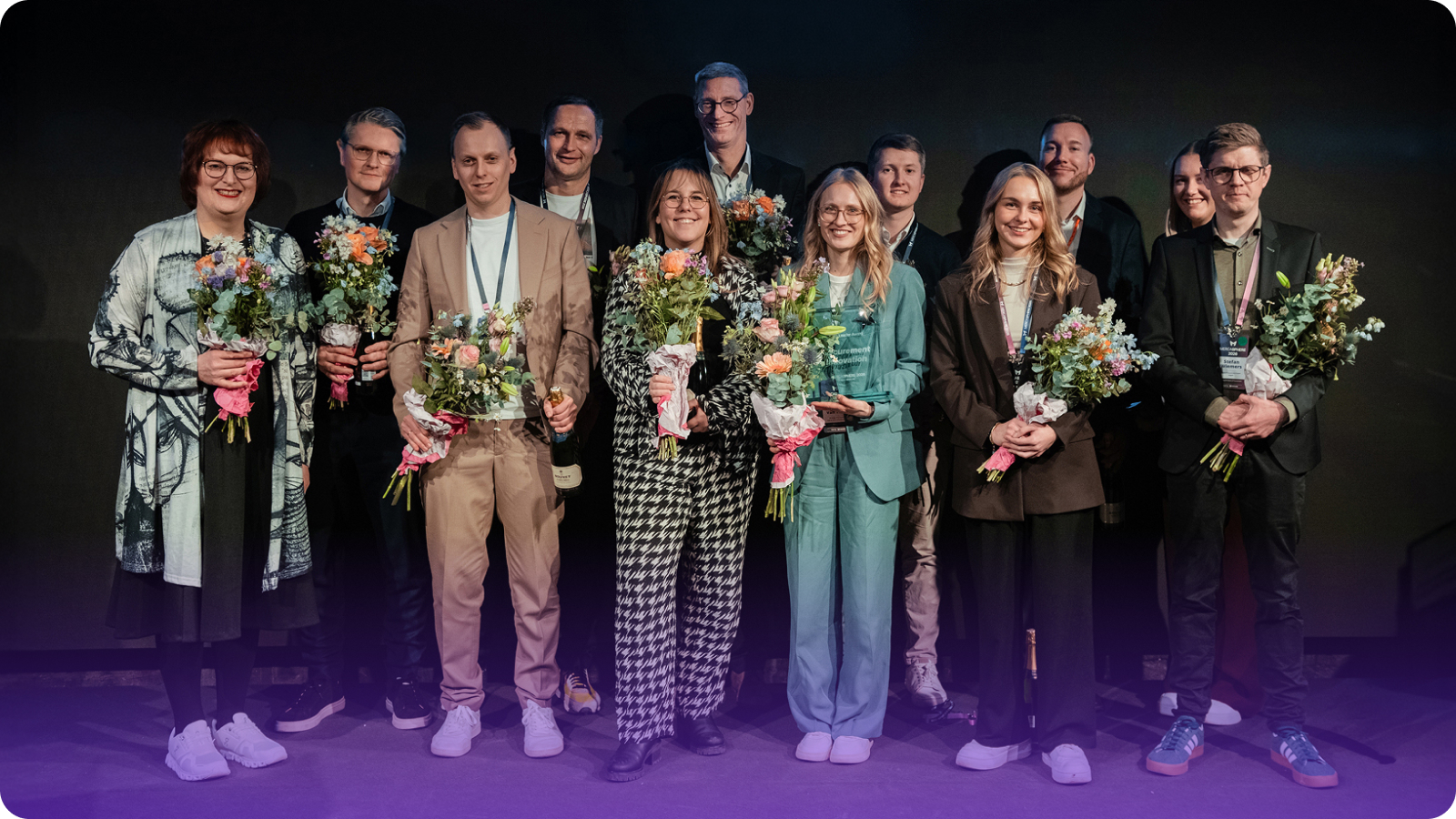
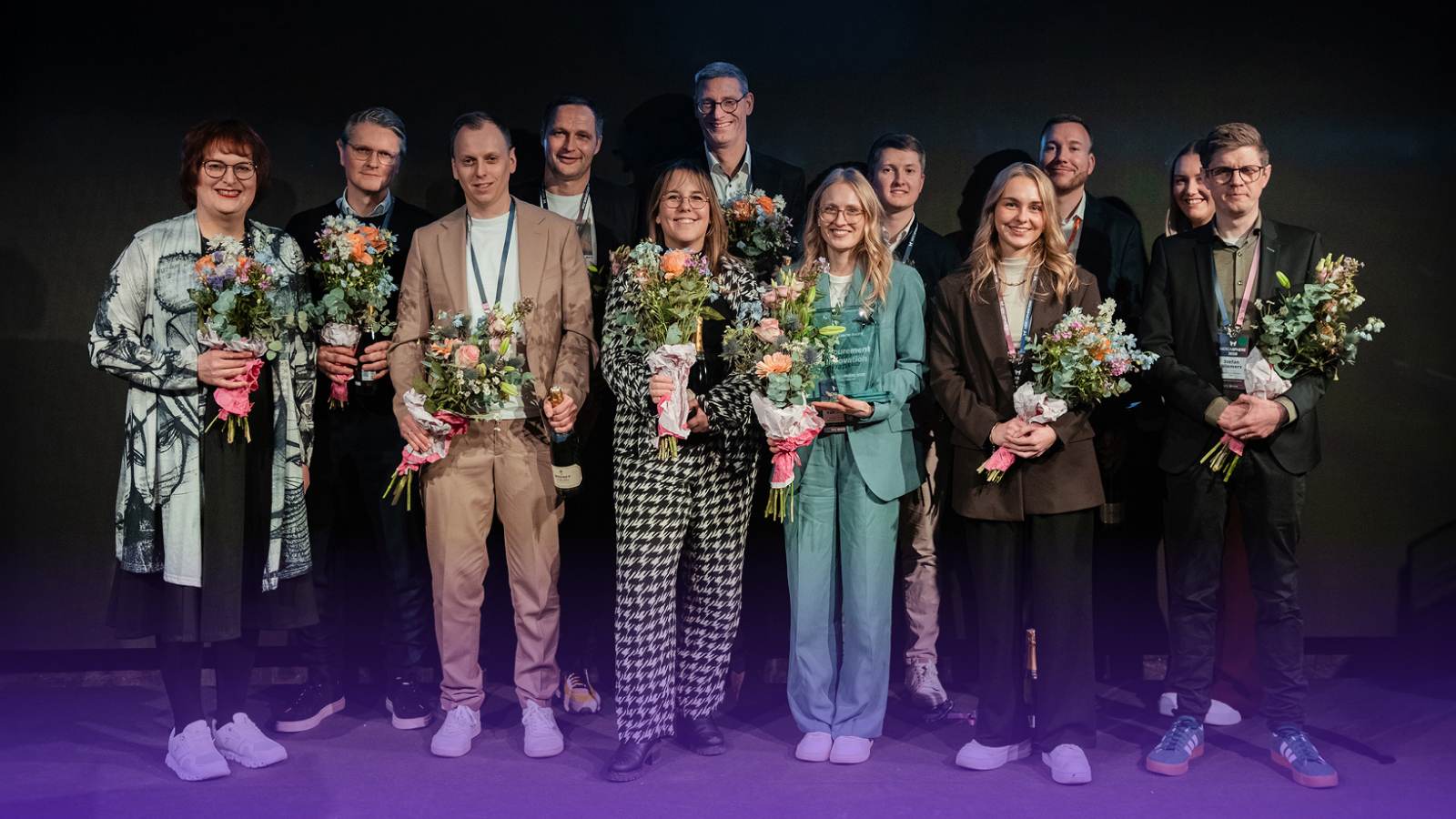
That question became tangible at Mercasphere in January 2026 through a series of real-world examples presented as part of the Future Leader Award. The contributions of young procurement professionals revealed valuable lessons about what successful procurement transformation looks like in practice. At the same time, one thing became clear: there is no single starting point for change. Svenja van Hove from Boll & Kirch, Johanna Kappius and Timo Lammerskitten from GOLDBECK, as well as Lisa Madynski and Nina te Uhle from BASF Coatings shared insights from very different starting points. This is exactly what makes their stories so valuable. Despite differences in structure, priorities, and challenges, their transformation journeys reveal common lessons that are relevant for any procurement organization preparing for change.

Boll & Kirch Filterbau is a German global market leader in industrial filtration technology, working with 400 suppliers across 24 sites worldwide. Even so, Svenja van Hove described procurement for along time as a “jungle,” shaped by decentralized structures, siloed solutions, individually maintained supplier data, and time-consuming manual reporting.
At the same time, the direction of change was clear: the goal was to create a unified data foundation, more standardized and automated processes, and clear responsibilities as the basis for more strategic decision-making and better international collaboration. Svenja van Hove prepared the selection of a new SRM system with great care. Before any vendor was even considered, she conducted stakeholder interviews, asked her team where they saw room for improvement, and developed an evaluation matrix that reflected the company’s actual requirements. Only then came the shortlist, demos based on real use cases from within the business, and finally reference calls. This approach involved future users at an early stage of the selection process. As a result, the decision was not only convincing on paper but also supported internally from the beginning. The rollout of the new system began in January 2026, and expansion to locations in China and India is already planned.
GOLDBECK is one of Europe’s leading construction companies, operating more than 100 locations and 16 production plants, supported by highly complex supply chains. In procurement, the challenge was less about solving one clearly defined problem and more about creating a shared data foundation, end-to-end processes, and a consistent supplier view across a decentralized organization. Johanna Kappius and Timo Lammerskitten made it clear that the key lever was first to establish this common foundation before further digital procurement initiatives could succeed.
Instead of developing a comprehensive concept upfront and rolling everything out at once, they started with a small part of the organization, gathered experience, and then scaled the solution step by step. The result: since go-live in December 2024, GOLDBECK has built a shared supplier data foundation with 360-degree supplier profiles as well as sustainability and governance tracking.

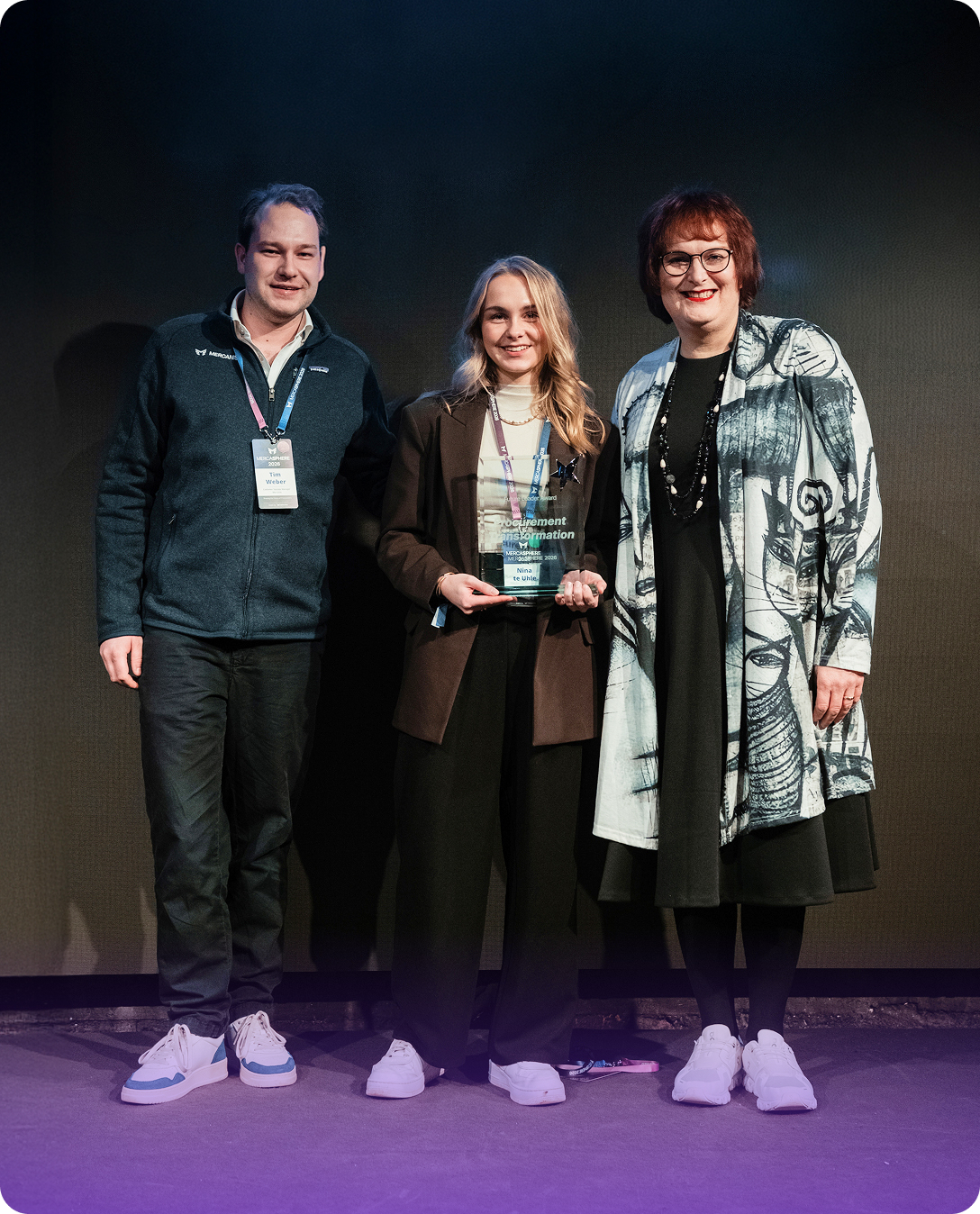
BASF Coatings has operated as an independent company since 2018, and its indirect procurement function had to be rebuilt from the ground up. The group structures the organization had previously relied on were no longer in place. For Lisa Madynski and Nina te Uhle, the challenge was not just about introducing new processes. It was about rethinking how procurement should be set up in the future so it could become both more efficient and more strategic. The first step was not technology, but structure. As long as every person on the team does a little bit of everything, it is difficult to build expertise or use automation effectively. Lisa Madynski and Nina te Uhle therefore introduced a new target operating model with clearly defined roles and responsibilities. Only on this basis does the next step become possible: AI agents taking over recurring processes are already on the roadmap.
As different as the starting points at Boll & Kirch, GOLDBECK, and BASF Coatings were, the examples still reveal clear patterns. These patterns can be summarized in four key lessons.
Change in procurement does not happen on its own. It requires people who take ownership, drive topics forward consistently, and actively lead change management. That was visible in all three cases: transformation was not merely planned, it was carried into the organization by specific people. For companies, this means that transformation should not be treated as just another project. It needs clear ownership. Only when someone feels responsible, prepares decisions, aligns stakeholders, and actively supports implementation can the need for change turn into real progress.
Another striking pattern was the visible role that young procurement professionals played in implementing change across all three examples. They were the ones actively initiating and driving transformation. What sets them apart from more experienced colleagues is that they do not treat existing processes as fixed. They question whether those processes still make sense. This openness to change, combined with a more natural familiarity with new tools and AI, makes them valuable drivers of procurement transformation. This is why companies should deliberately give young talent in procurement more responsibility. It is often in these situations, when they are allowed to shape rather than simply support, that the momentum emerges which brings more experienced and initially skeptical colleagues along.
The examples also show that there is no single correct starting point for procurement transformation. At Boll & Kirch, the main issue was a lack of structure in supplier management. At GOLDBECK, it was the complexity of a decentralized organization. At BASF Coatings, it was the organizational redesign of indirect procurement. These differences matter because they show that procurement transformation does not follow a fixed blueprint. What matters is not where transformation starts, but whether the starting point is clearly defined and translated into a concrete next step.
Which brings us to the final lesson: digital procurement solutions create the most value when they address a clearly defined challenge. In all three cases, technology was not an end in itself. It was part of a targeted effort to improve structure, processes, or transparency. For companies, that means one thing above all: a procurement software solution should always solve a specific problem. This is why it is essential to understand your current situation and your real need for action before introducing new systems, automation, or AI.
These three companies show that there is no universal answer to the question of how procurement transformation succeeds. But there are conditions that matter in every case: clear ownership, the right people in roles with real responsibility, and an honest assessment of the starting point. Organizations that create this foundation can take the next step, whether they begin with supplier management, process automation, or organizational redesign. It is no coincidence that all three companies, despite their very different starting points, work with Mercanis. Successful procurement transformation requires a platform that supports different levels of maturity, priorities, and transformation paths, and meets companies where they are today.

Procurement transformation refers to the structural evolution of a procurement organization toward a more strategic, data-driven operating model. It includes redesigning processes, roles, and systems in order to make procurement more efficient while increasing its strategic value to the business.
Procurement organizations are under pressure from multiple directions at once. Topics such as resilience, sustainability, and compliance require more capacity, while expectations continue to rise without budgets and teams growing at the same rate. Companies that want to meet these expectations in the long run cannot avoid structurally transforming procurement.
There is no universal starting point. What matters is clearly identifying your current situation, whether the issue is missing data transparency, unclear processes, or the need for organizational redesign, and then defining a concrete first step. Procurement transformation starts where the need for action is greatest. This is why it is helpful to work with a partner that understands different starting points, meets companies where they are, and offers more than just software.
Change management is one of the key success factors and is often underestimated in practice. Technical solutions rarely fail because of implementation itself; they fail because of a lack of internal adoption. Companies that want to anchor change sustainably in procurement need to involve stakeholders early, create clear responsibilities, and bring future users into the process from the beginning.
For many procurement organizations, Supplier Relationship Management can be a meaningful first step, but it is not the only one. Whether it is the right starting point depends on the specific situation. A structured SRM implementation creates the data foundation needed for more strategic decisions, better supplier evaluation, and further automation. Without reliable supplier data, any further digital procurement effort remains incomplete.
AI is an important enabler for optimizing procurement. It helps create transparency, automate processes, and make procurement more strategic. However, it only creates real value when it is applied to a clearly defined problem and actually used in day-to-day operations. This is why clear processes, well-defined responsibilities, and strong stakeholder management are essential.
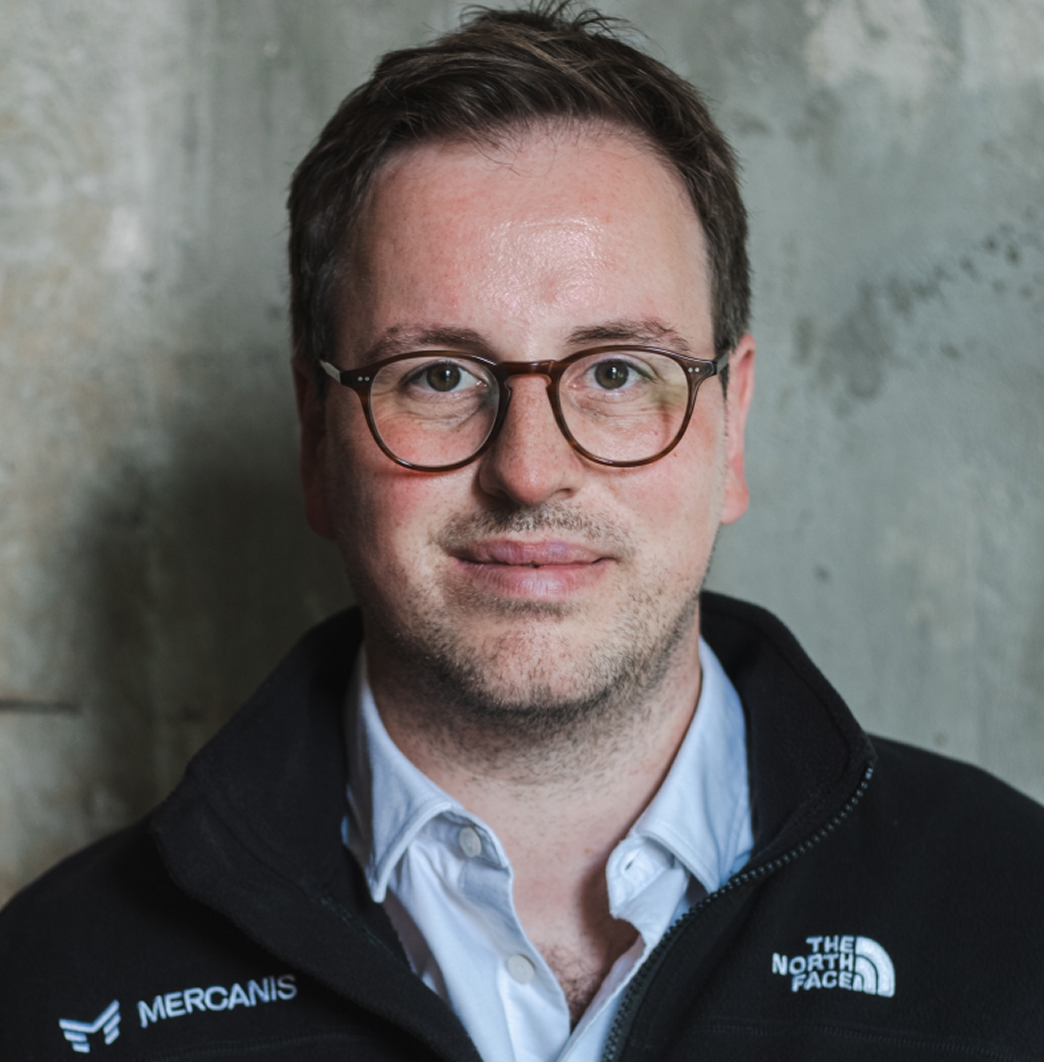

Fabian Heinrich is the CEO and co-founder of Mercanis. Previously he co-founded and grew the procurement company Scoutbee to become a global market leader in scouting with offices in Europe and the USA and serving clients like Siemens, Audi, Unilever. With a Bachelor's degree and a Master's in Accounting and Finance from the University of St. Gallen, his career spans roles at Deloitte and Rocket Internet SE.






.webp)