How does Mercanis help with supplier compliance in manufacturing?
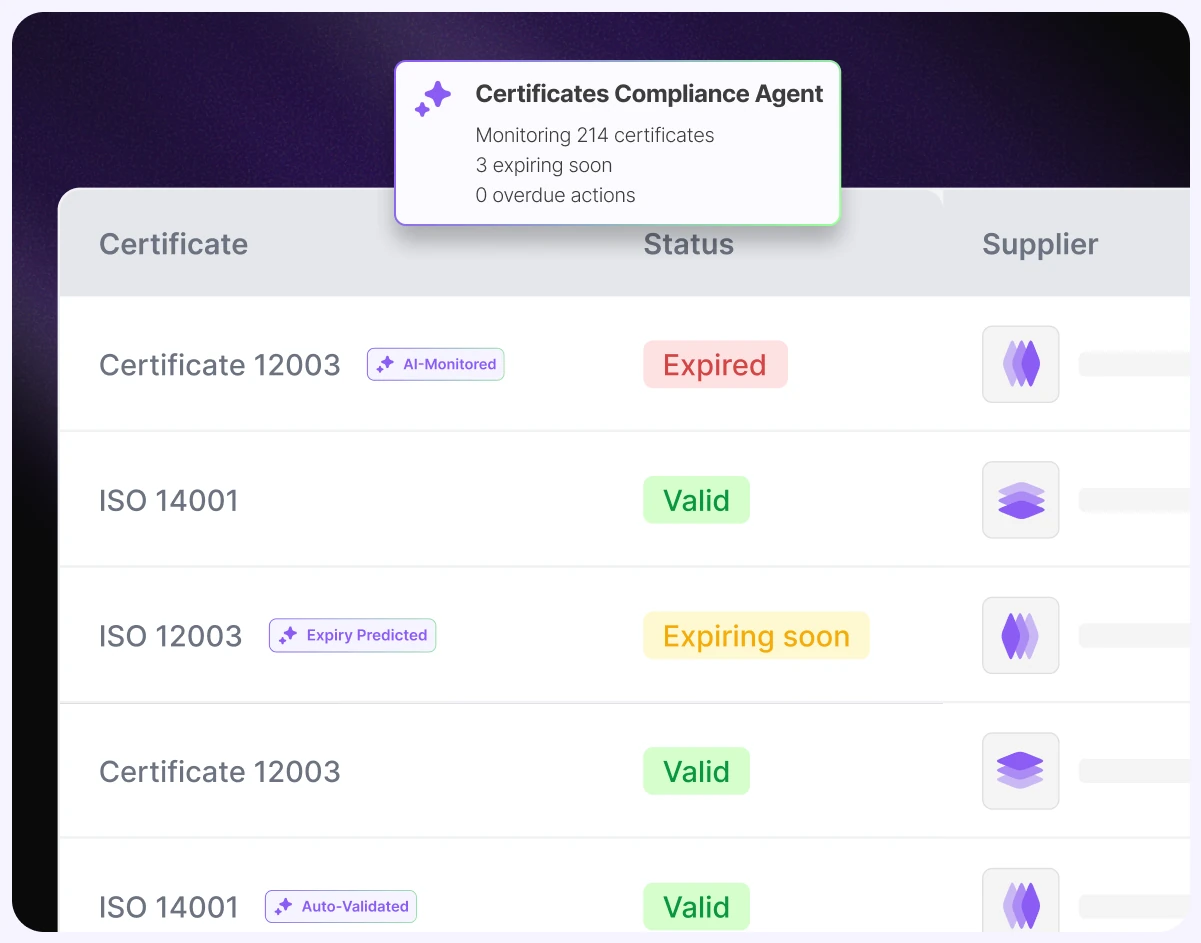
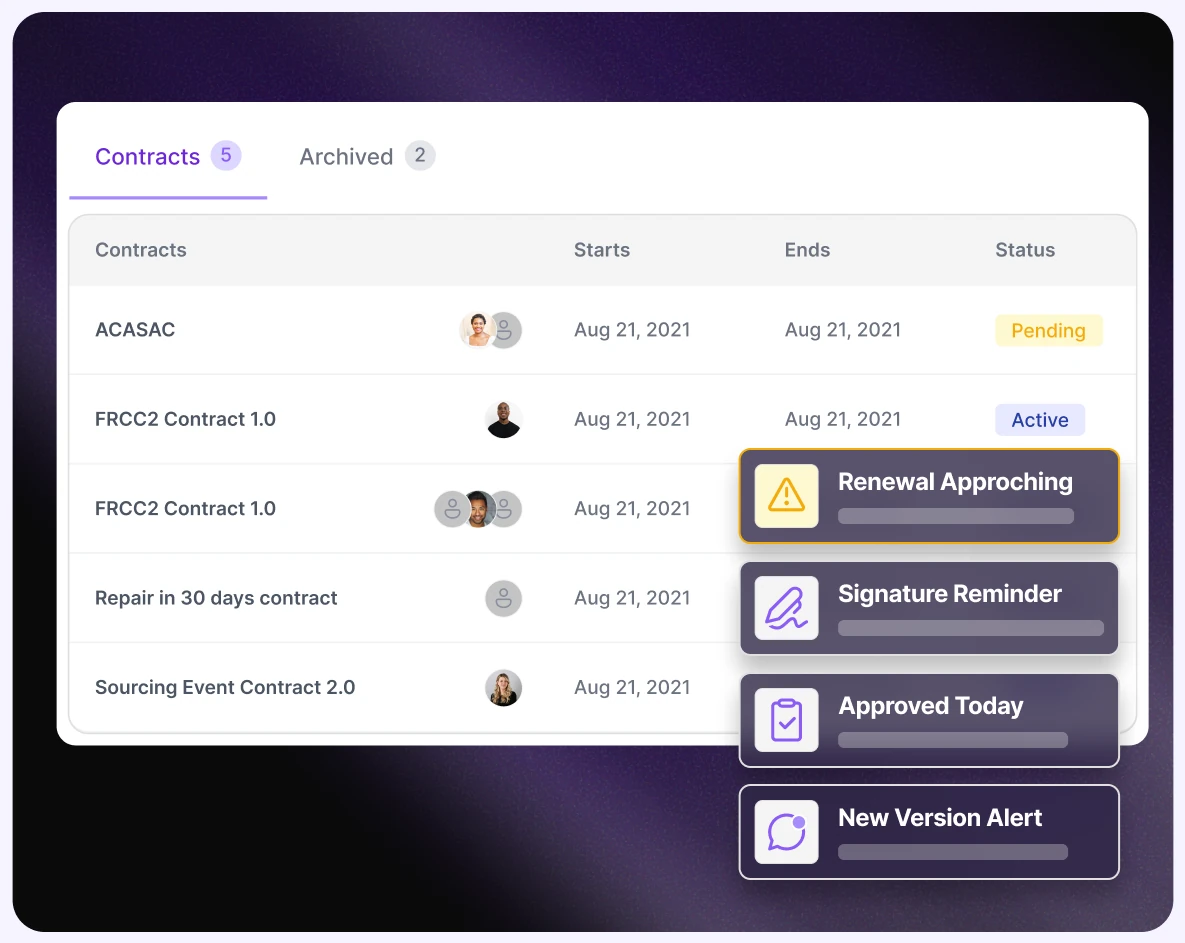
Mercanis tracks ISO certificates, REACH/RoHS, quality audits, ESG requirements, and expiration dates automatically. AI agents surface missing documents before a supplier becomes a risk. Compliance stays at 100% without manual chasing.
Can Mercanis reduce my RFQ and sourcing cycle times?
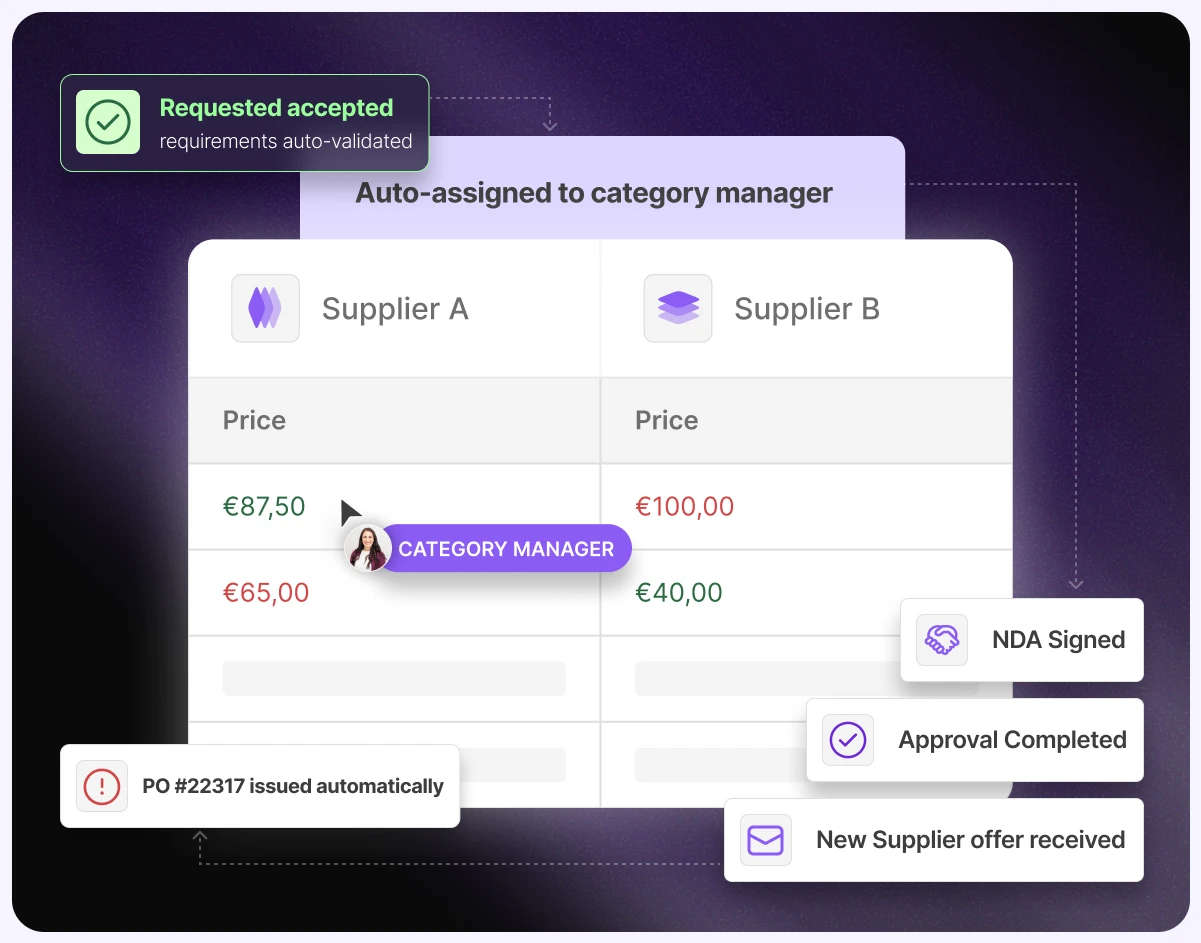
Yes. Manufacturers typically cut RFQ preparation and evaluation time by 30–50%, depending on category complexity. AI agents fill gaps, generate RFQ structures, consolidate quotes, and keep events moving.
Can engineers collaborate inside Mercanis?
Yes. Engineering uploads specs, drawings, and revisions directly into the request. Procurement sees the full context, and version control prevents errors caused by old documentation.
How does Mercanis integrate with ERP and PLM systems?
Mercanis connects with SAP, Microsoft Dynamics, Oracle NetSuite, Infor, and major PLM systems. Data stays synchronised so procurement doesn’t re-enter BOM items, supplier data, or purchase information.
Can Mercanis support nearshoring, dual-sourcing, and risk-based sourcing decisions?
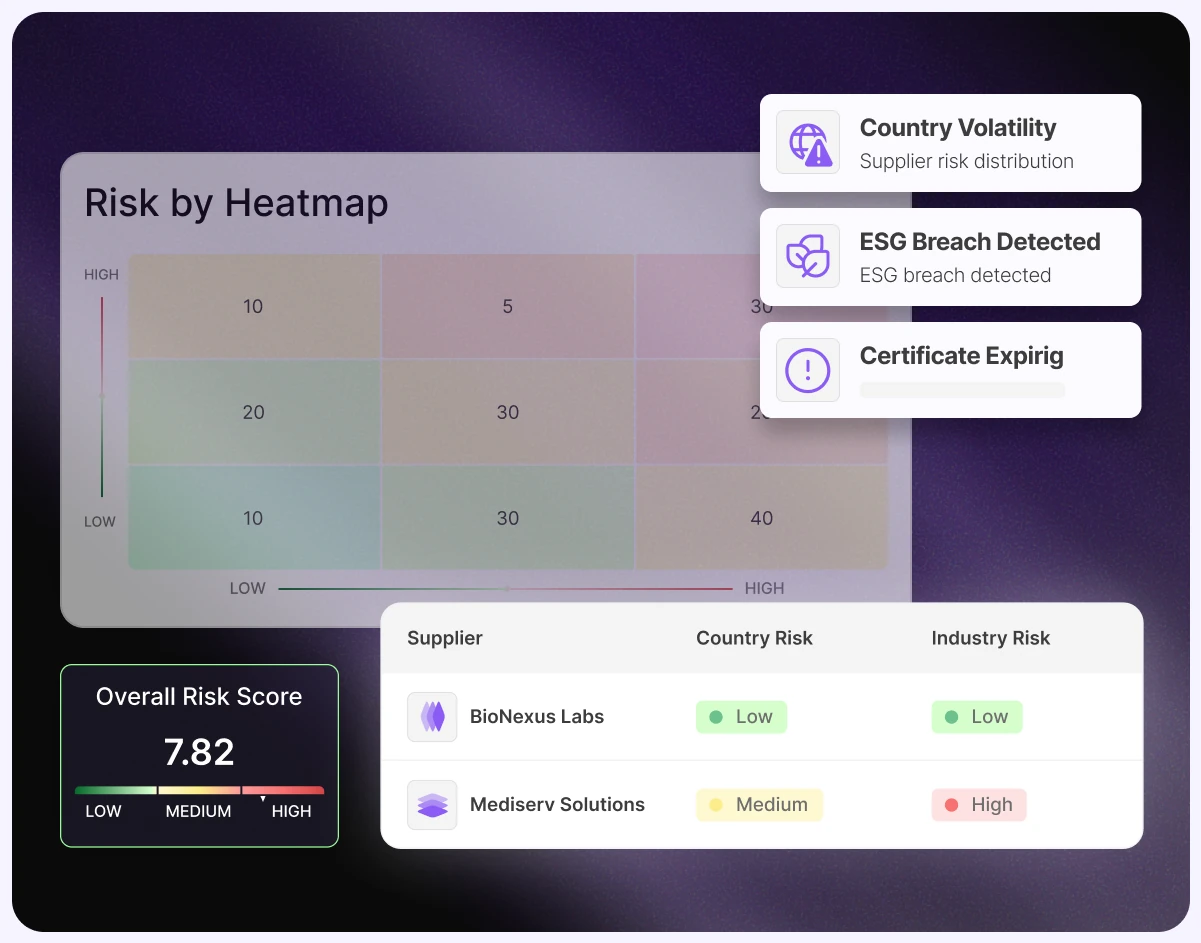
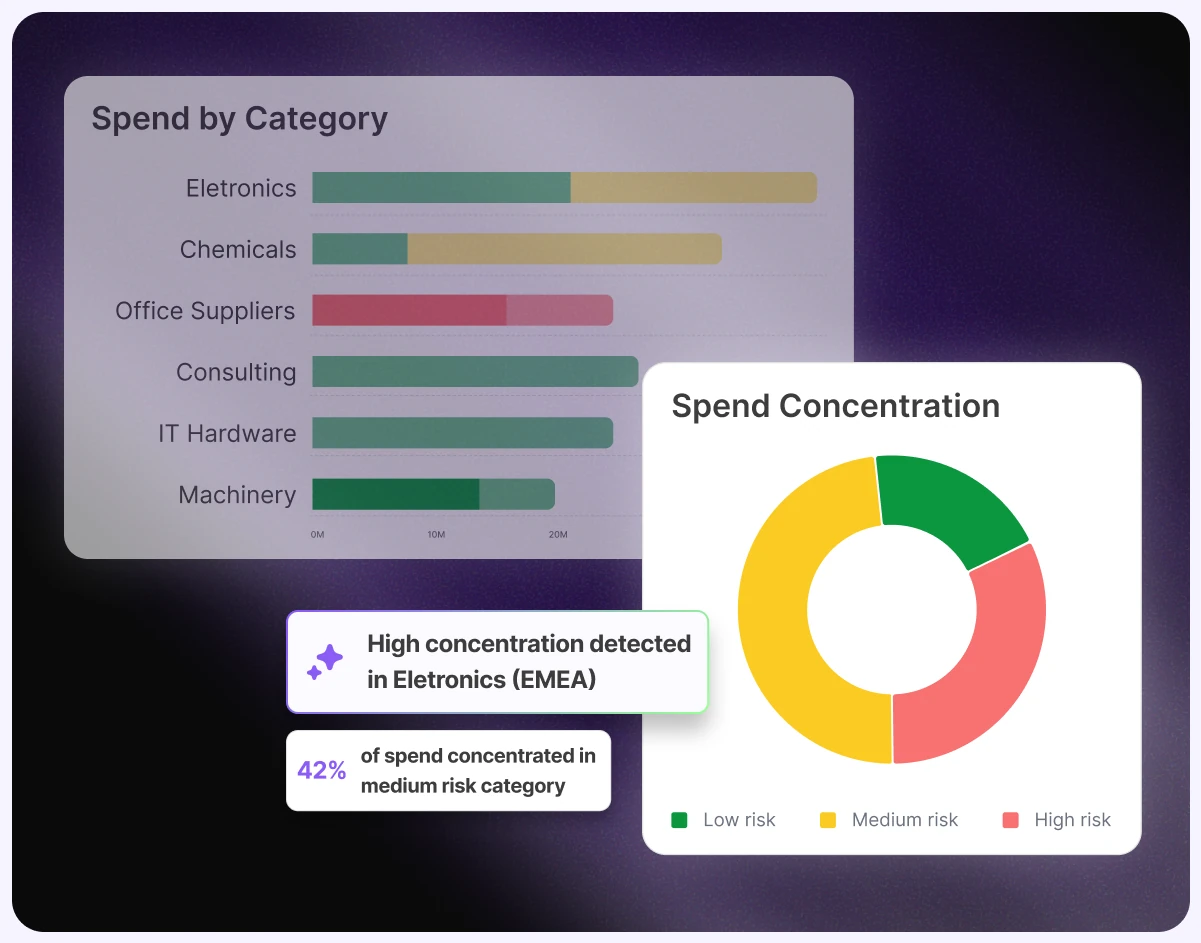
Yes. Mercanis maps supplier locations, lead times, certifications, historical pricing, and risk indicators. Teams quickly compare regional vs. global suppliers and build resilient dual-source strategies.
Is Mercanis built for regulated industries (automotive, electronics, machinery)?
Yes. The platform supports quality documentation, traceability, supplier audits, PPAP-like workflows, compliance flags, and multi-tier supplier structures. Manufacturers stay audit-ready with less manual work.
Does Mercanis work for both high-volume and high-mix/low-volume production?
Yes. For high-volume categories, Mercanis automates repetitive RFQs and vendor updates. For variant-rich, low-volume products, Mercanis keeps specs structured and ensures every unique request stays complete and compliant from the start.
How fast can we implement Mercanis?
Most mid-sized manufacturers go live in 2–4 weeks. Large multi-plant environments take 6–12 weeks, depending on integrations and onboarding scope. Minimal IT support is required.